AI & digital dentistry

Digital implant planning and prosthetics

Digital dentistry can connect diagnosis, computer-guided planning, surgery and prosthetics in one traceable workflow. Technology supports—not replaces—clinical examination, experience, verification and informed consent.

MS / 08
01

The digital records

CBCT records three-dimensional bone and nearby anatomy. An intraoral scanner records teeth and accessible soft tissues. Photographs and bite records add information about appearance and function. Each record answers a different question and must be checked before use.

02

Prosthetically driven planning

Digital planning starts with the intended tooth or full-arch prosthesis, then evaluates bone, anatomy, implant position, screw access, material space and cleaning. Surgery is planned to support the restoration rather than treating implant placement as an isolated step.

03

Exocad and CAD/CAM

Dental design software such as Exocad may be used by the clinical and laboratory team to design provisional or definitive restorations, custom abutments and bars. CAD describes the digital design stage; CAM describes manufacturing by milling or printing. Software does not verify clinical fit by itself.

04

Digital impressions

A scanner can create a 3D record of teeth, soft tissues and implant components, reducing reliance on traditional impressions in suitable cases. Complete-arch implant scans can be more technique-sensitive, so scan strategy and independent verification remain important.

05

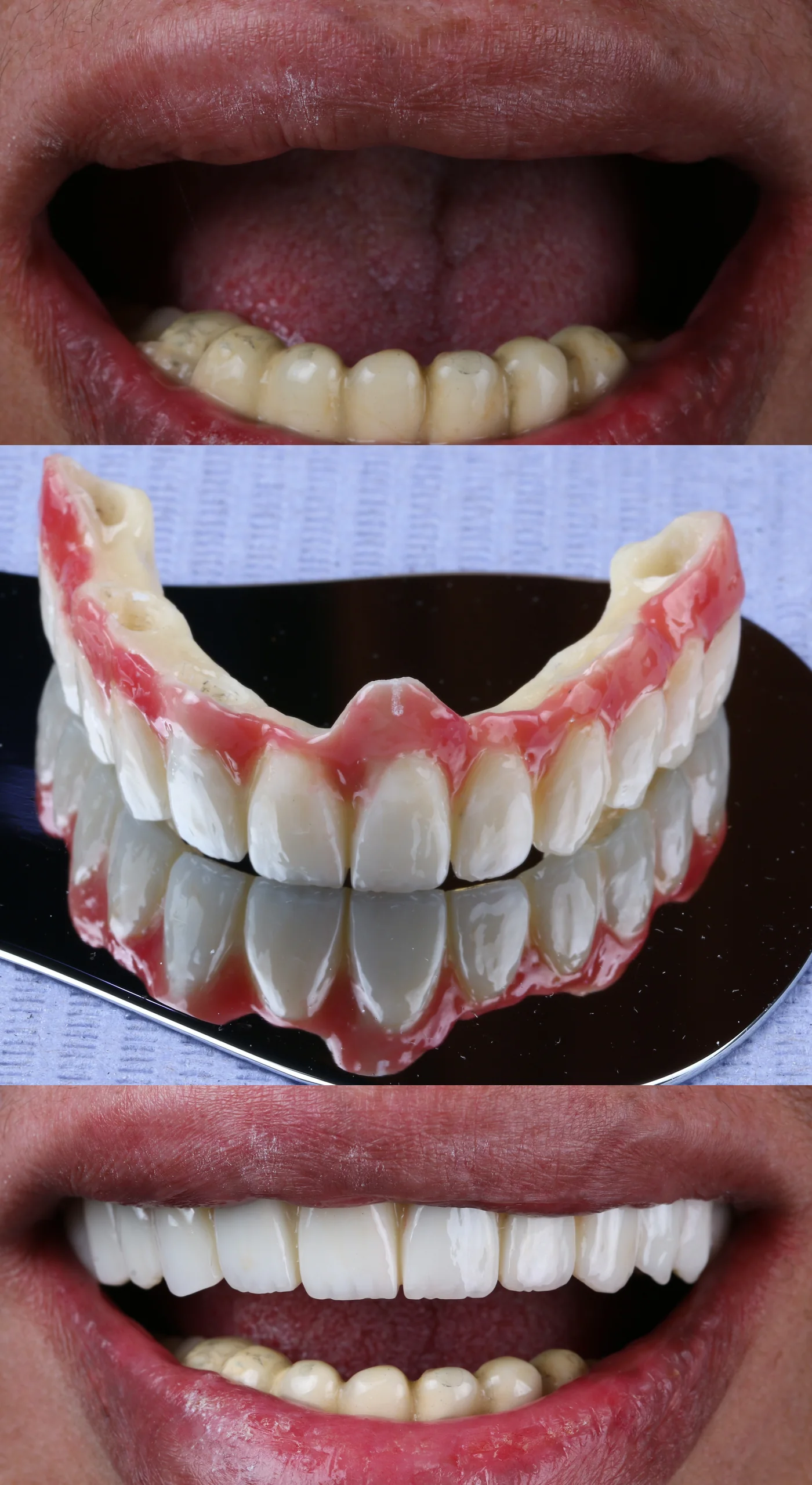
Temporary and final restorations

Digital design can support provisional restorations, verification records and definitive implant prosthetics. The provisional stage can test appearance, speech, bite and cleansability before the final material and design are confirmed.

06

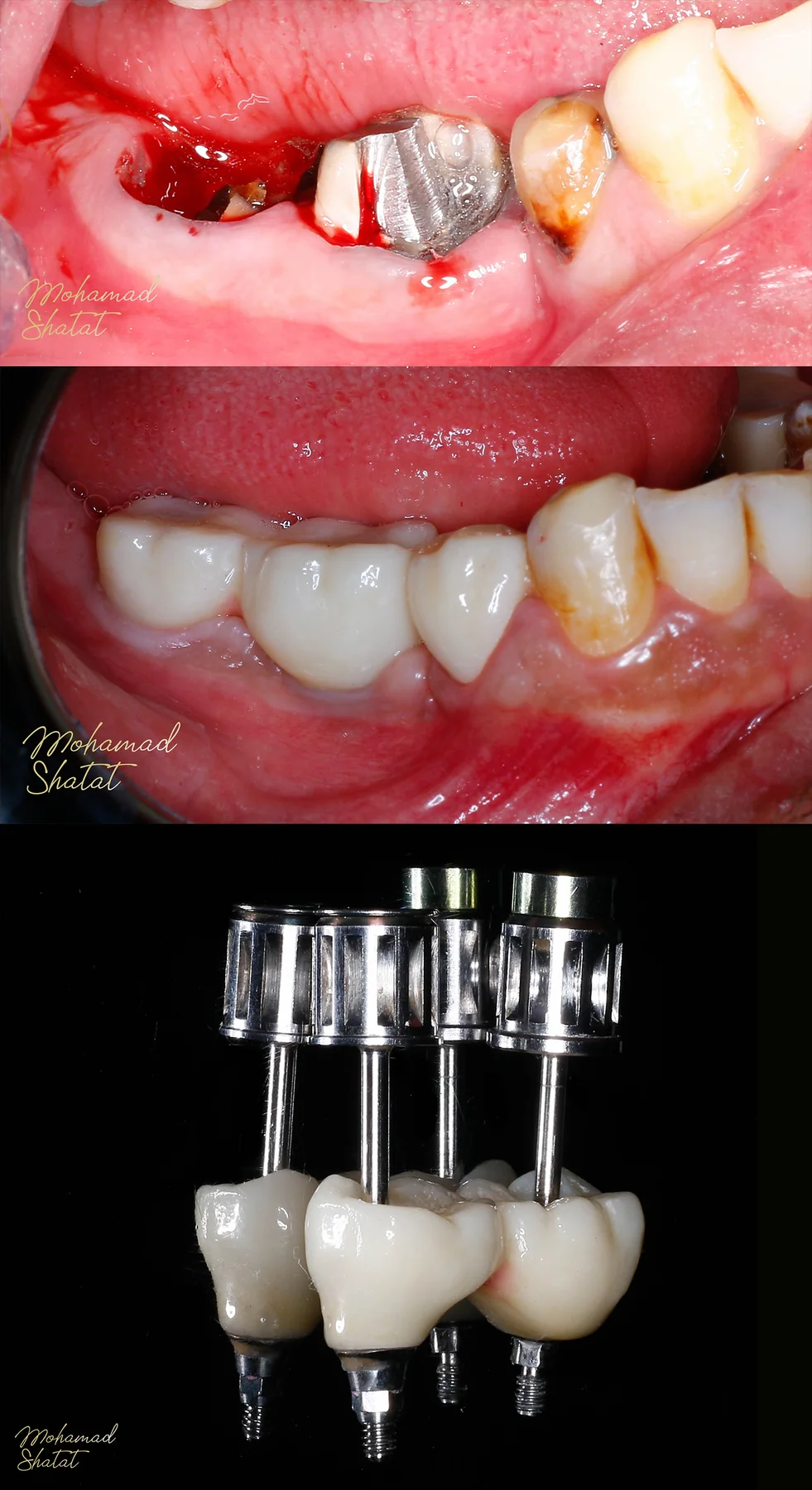
Custom titanium abutments

A custom titanium abutment can be designed around the implant position, available tissue and restorative objective in selected cases. It is not automatically better than a prefabricated component; material, height, emergence profile and maintenance must be planned together.

07

Where AI helps

AI tools may assist with data organisation, visualisation and decision support. They do not diagnose or choose treatment independently.

08

Verification closes the loop

The digital workflow still needs clinical fit checks, radiographic or visual verification where indicated, bite adjustment and maintenance planning. Accuracy is the result of the complete process, not the software name.

FAQ

Common questions

Not always. Conventional or combined verification methods may still be preferable for some clinical situations, especially complex full-arch records.

Next step

See how digital planning may support your treatment

A useful digital workflow starts with diagnosis and the intended restoration. Bring available records, then confirm which scans and planning steps are actually needed.

Request a consultation
WA