Who may benefit
- Adults missing one or more teeth
- Patients seeking a fixed or removable implant-supported option
- People able to maintain good oral hygiene and attend follow-up visits
A dental implant is a titanium fixture placed in the jaw to support a replacement tooth. Computer-guided planning may connect the intended tooth position with the available bone and nearby anatomy, but suitability still depends on clinical examination, CBCT findings, oral health and medical risk.
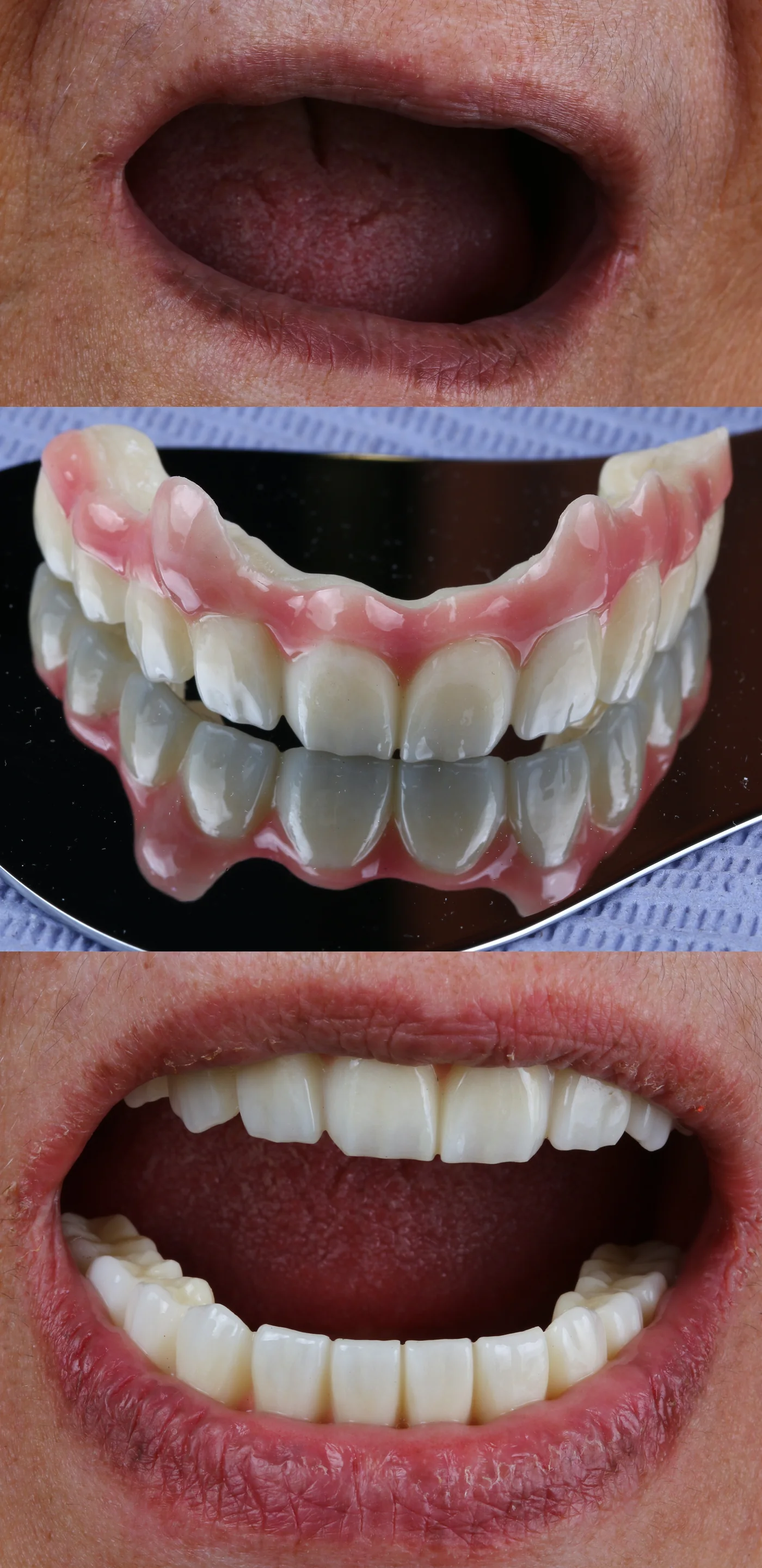
Clinical documentation of treatment stages shown in the available images. Plans and outcomes vary between patients.
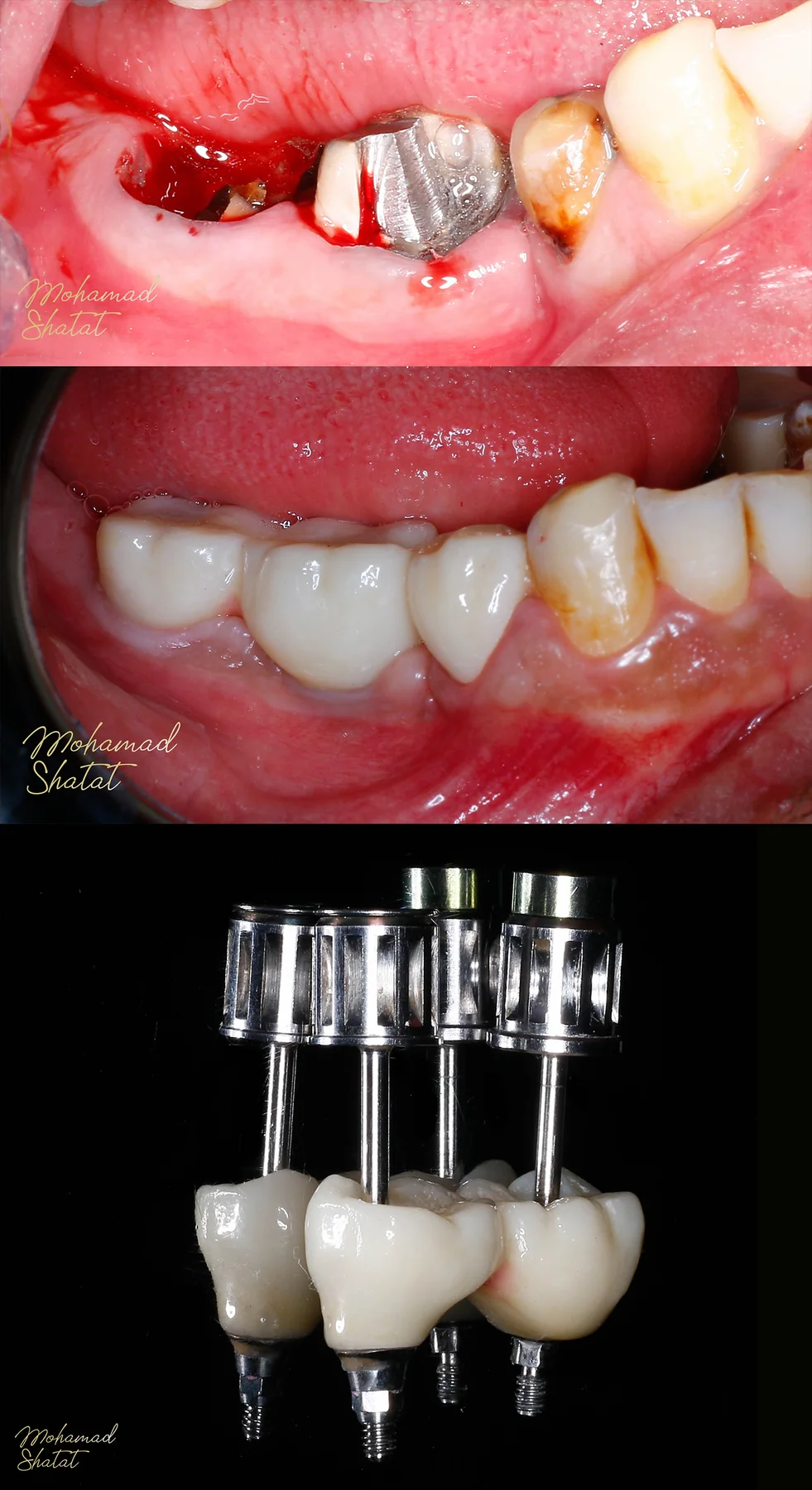
Clinical documentation of treatment stages shown in the available images. Plans and outcomes vary between patients.
Reviews from the verified clinic archive describe individual experiences. They are not testimonials for the displayed cases or a promise of similar results.
Archive verified on 14 July 2026.
★★★★★“سويت زراعة اسنان مع د شتات و تجربتي كانت جدا مميزه و رائعه والحمد لله على شور صاحبي بالدكتور محمد كان فعلا متميز”
★★★★★“سويت زراعة أسنان عند دكتور محمد شتات وكان على قد السمعة شغل ممتاز ويده خفيفة ومرت العملية بدون مضاعفات أو مشاكل. الاستقبال كان مثالي وخدمة العملاء متعاونين ومحترمين بالأخص الأستاذة عهود اجتهدت معي الله يعطيكم العافية 👍 …”
★★★★★“عملت زراعة سن أمامي ناب عند دكتور محمد شتات و اليوم استلمت التركيبة و بصراحه انا عندي فوبيا من دكاترة الأسنان.. ولكن دكتور محمد شتات جدا دكتور شاطر لم أشعر معه بأي ألم في جميع مراحل الزراعه من إبرة البنج إلى التركيبه.. الله يعطيه العافيه... ويزيد من علمه”
Start with a clear consultation and examination, then discuss options and expected timing.
The consultation reviews symptoms, gum condition, remaining teeth, bite, medical history, smoking and medication. CBCT may be requested when three-dimensional anatomy is needed. A guide is considered only after the diagnosis and restorative objective are clear.
CBCT data can be matched with an intraoral or model scan. The proposed restoration is designed first, then the implant position is planned around bone, the sinus or nerve, restorative space and cleansability. A verified surgical guide may transfer the plan to the mouth when it adds practical value.
Treatment time varies. Some cases can be restored sooner, while others need several months of healing, especially when grafting is required. A personal timeline is confirmed only after assessment.
Computer guidance does not guarantee flapless surgery, immediate teeth, no discomfort or a specific outcome. The guide is one part of a complete clinical workflow, and the clinician must verify fit, access, stability and safety during treatment.
The procedure is usually performed with local anaesthesia. Post-treatment discomfort varies and is discussed with appropriate aftercare instructions.
Start with a clinical examination and CBCT evaluation when indicated. The treatment plan is individualized around your anatomy, restorative needs and health.